
Looking for the perfect space for your Business?
Skip the search! Share what you need and we’ll deliver the right opportunities directly to you.
*If you represent multiple businesses, please fill out the form for each one.
Why Choose First Capital?

The Perfect Locations
First Capital owns, operates, and develops grocery-anchored open-air centres in neighbourhoods with the strongest demographics in Canada. We operate in over 130 neighbourhoods across the country and own some of the best properties in these neighbourhoods, thereby attracting the most desirable tenants. Our grocery-anchored centres create convenient, one-stop shopping destinations that meet the everyday needs of our communities.

Healthy Tenant Mix
At First Capital, we focus on creating a diverse mix of tenants that offers everything our customers need in one spot. At each of our properties, we strive to achieve the perfect mix of services and retailers that provide convenience and variety to the surrounding community, including grocery stores, pharmacies, banks, fitness centres, and more.

Accessible for Everyone
First Capital properties are accessible to everyone, prioritizing convenience and connectivity. Our properties are designed to ensure that essential amenities and services are easily within reach and to enable seamless commuting for customers and tenants. The optimal accessibility of our portfolio makes First Capital properties the shopping destination of choice for the surrounding communities.

With You Every Step of the Way
When you lease with First Capital, you benefit from the expertise of a First Capital employee at every stage of the process, from leasing, to legal, to construction, operations, and property management. Your leasing manager remains your main point of contact every step of the way, and all our properties have in-house property management personnel on call 24/7.

Reinvestment in our Properties
At First Capital, we believe in reinvesting in our properties to enhance the value and competitive position of our properties for stakeholders, tenants, and customers, maintaining the highest standards in design, appearance and customer amenities. Our reinvestment efforts focus on creating sustainable, aesthetically pleasing, and functional spaces that make a positive impact on the surrounding population.




Our Tenant Stories
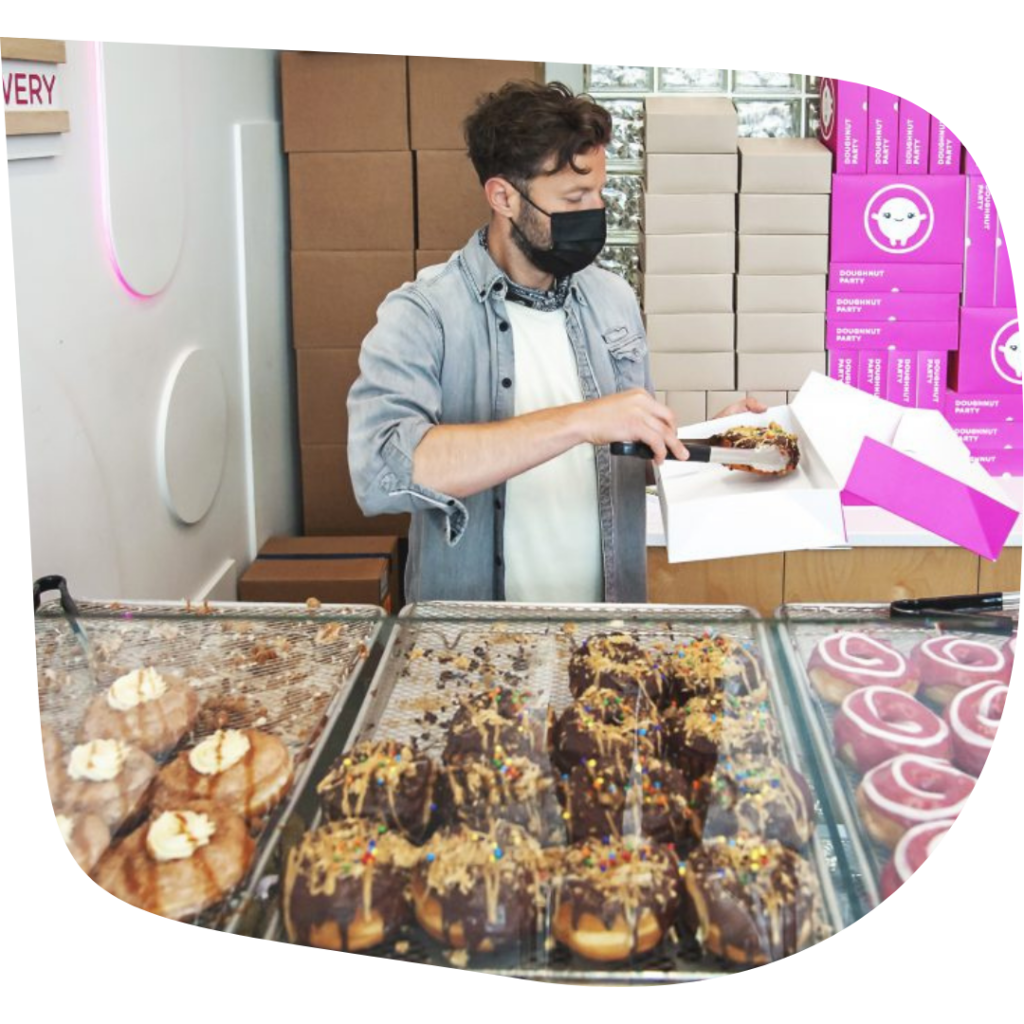
The Doughnut Party Story
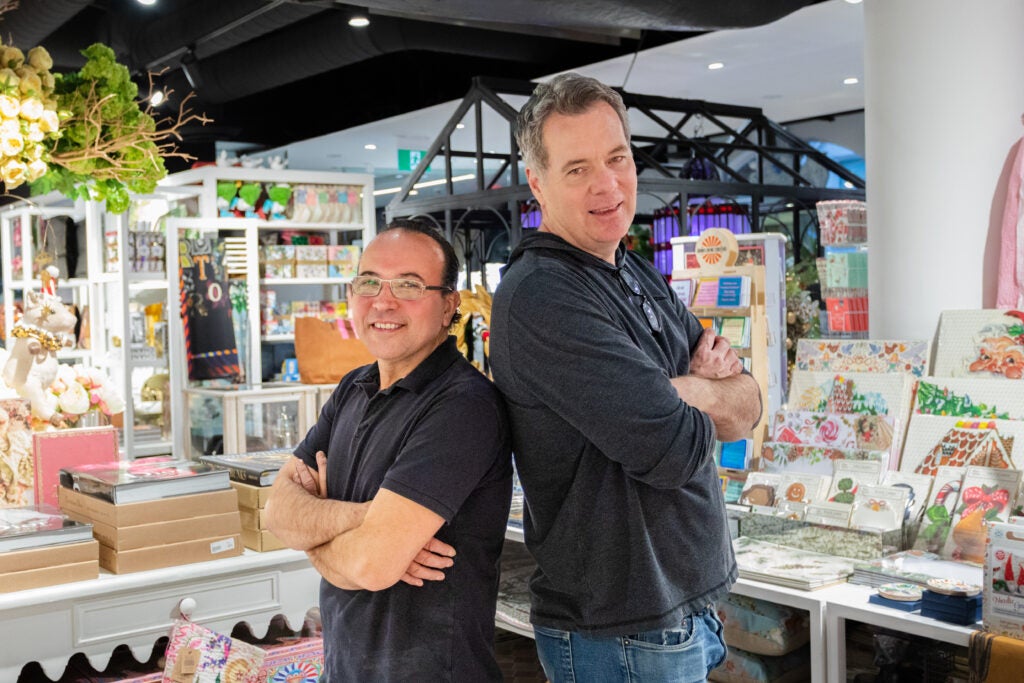
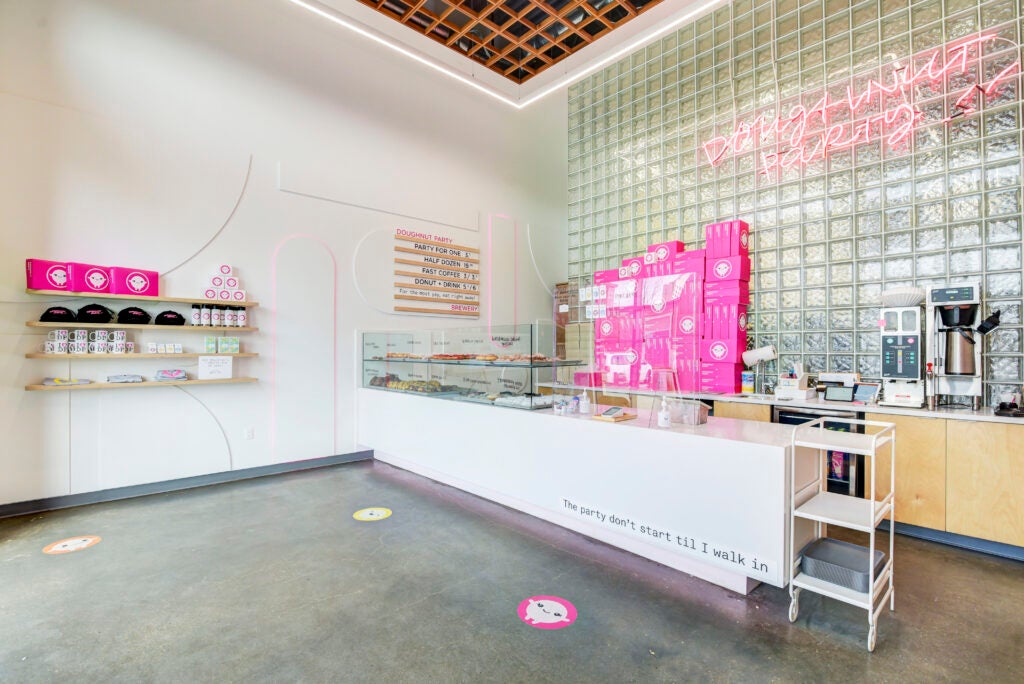
Meet the amazing owners of Edmonton Brewery District’s Doughnut Party, Matthew Conrad and Simon Underwood who are dominating the city’s pastry industry and revolutionizing the doughnut with their unique combinations. Growing a small business is never easy, especially when leaving behind a career and a sense of job security.
We’re thrilled to have worked with Doughnut Party in opening two of their three locations. Read the full Doughnut Party story here.
The Centre Médical Mieux-Être Story
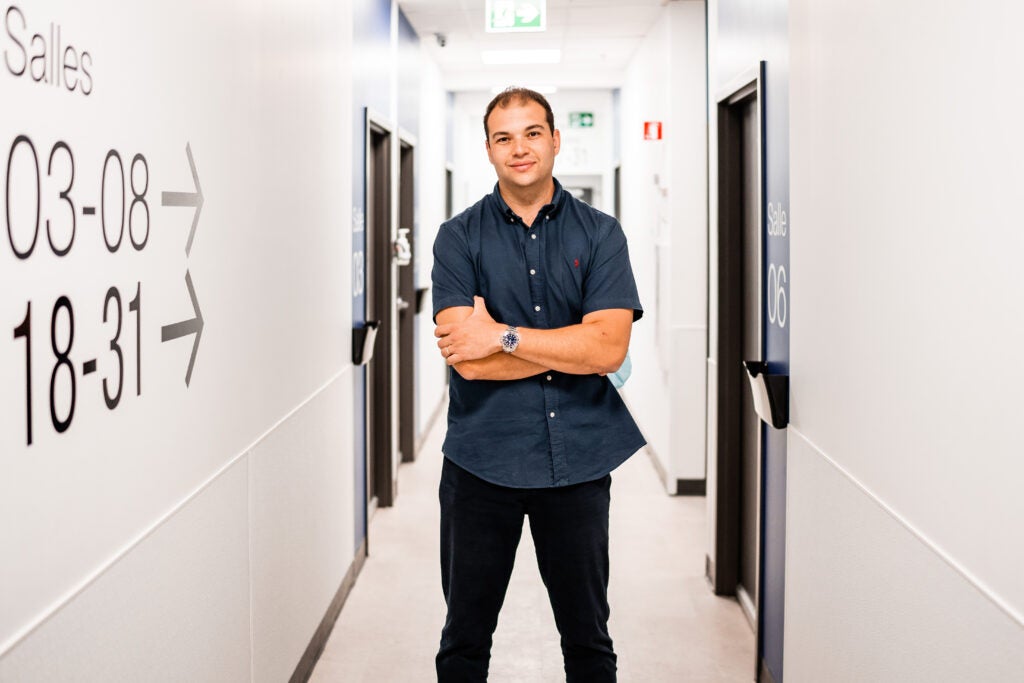
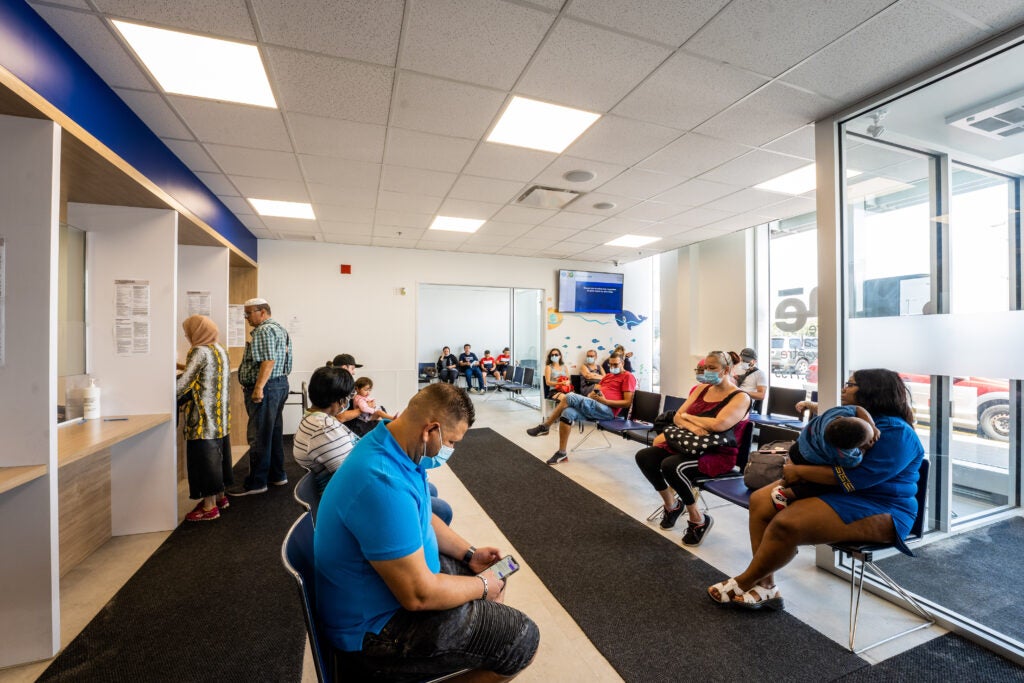
Centre Médical Mieux-Être is revolutionizing medical care in Montreal with its innovative “Hub of Services” business model. Patients never wait longer than 15 minutes to be seen by a clinician, nurse, or doctor, and with a wide range of on-site specialists and services, patients receive all the care they need in one place. Occupational therapist and entrepreneur Remi Boulila has grown his idea into a network of medical centres throughout the Montreal region that are transforming medical care.
Opening his first 5,000 sf location at our Place Viau in 2019 and has since expanded his footprint twice and opened 9 more locations around the Montreal region. Read more about Centre Médical Mieux-Être here.


The Kate Hewko Story
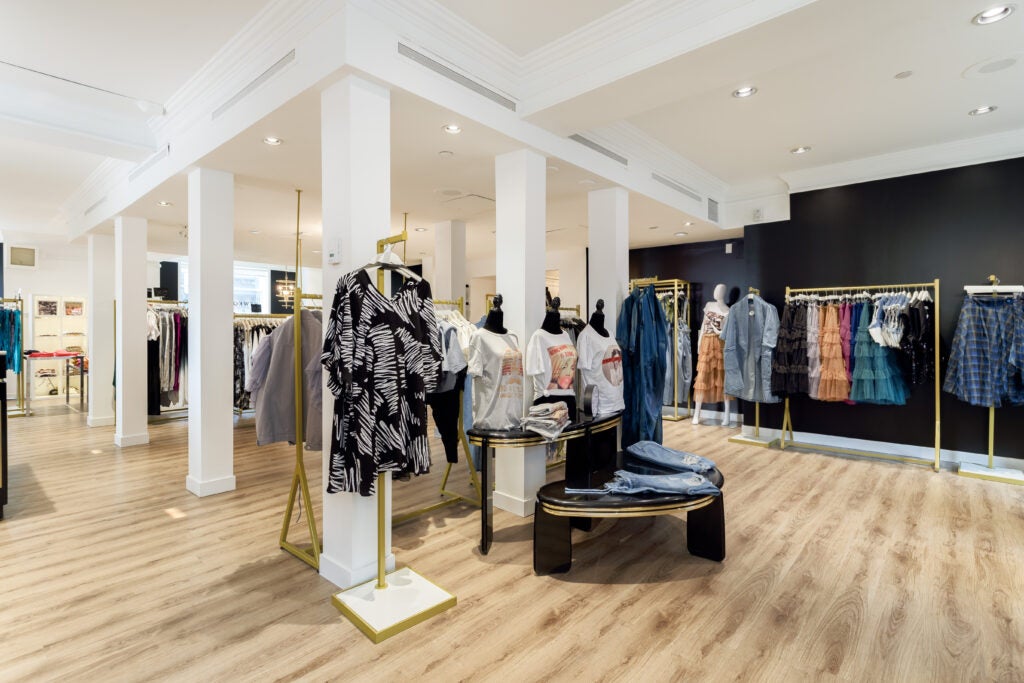
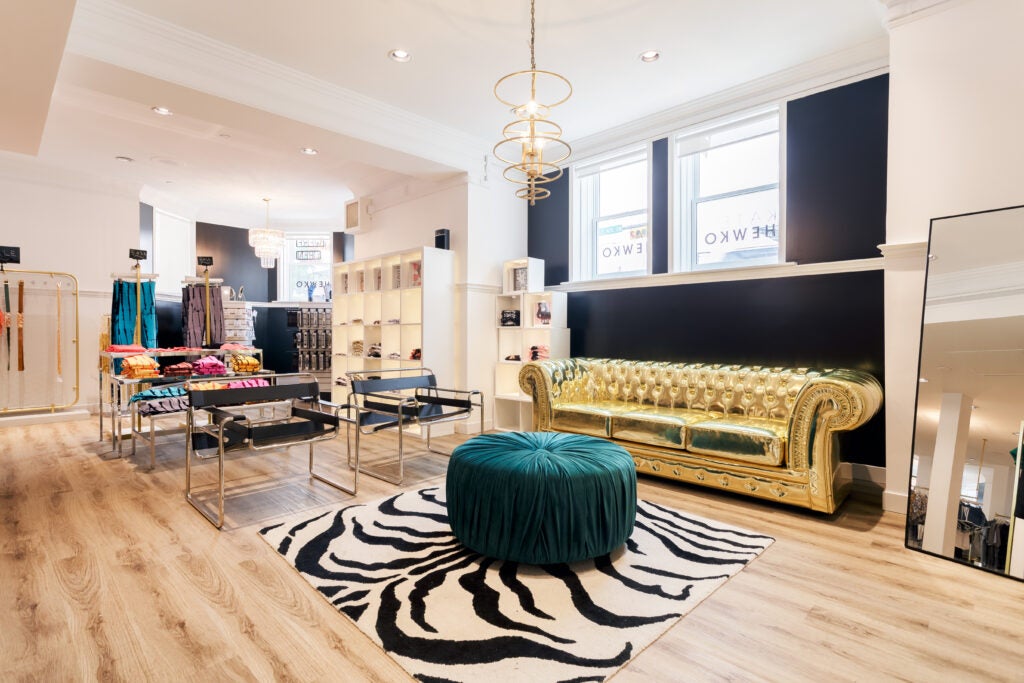
Kate Hewko graduated with a clear passion for fashion and entrepreneurship. Attempting both a small women’s boutique followed by a small online jewelry store with not much success, she then decided to start producing self-branded Kate Hewko jewelry. This business quickly took off and she opened her first 900sf space at First Capital’s the Devenish, and expanded into the clothing market, with a focus on exclusive and unique fashion finds.
Expanding her footprint twice in four years, the store now takes up 4,000sf of retail space and has developed a loyal customer base. Read all about the Kate Hewko story here.
The Puptown Story
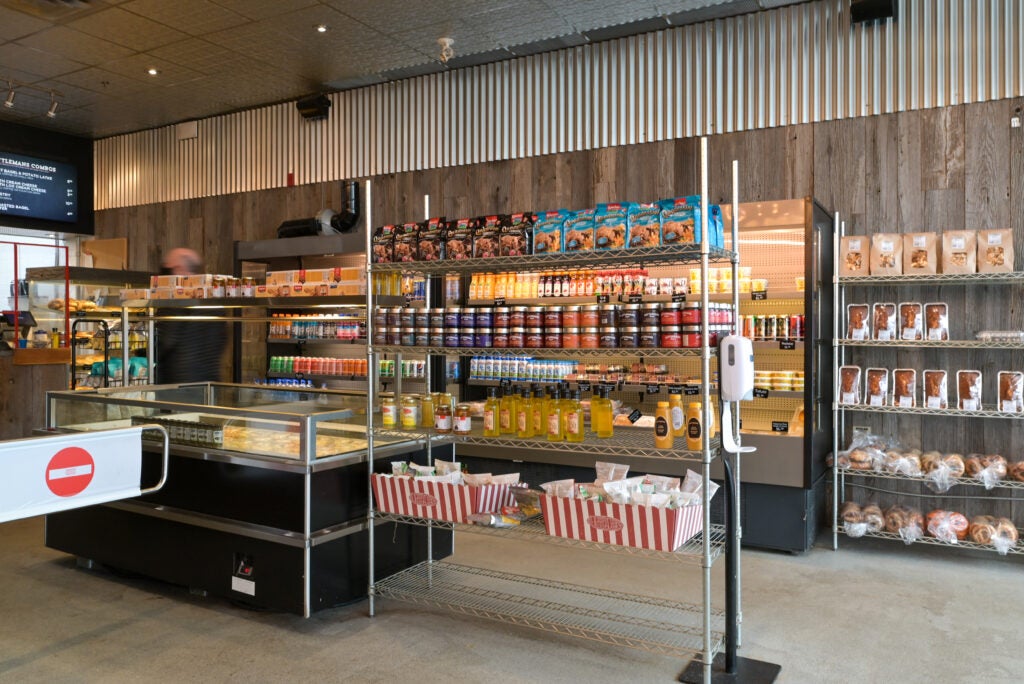
Meet Emma Lafontaine and her mother, Susan Gillespie, the dynamic duo behind Puptown Grooming Salon. With over a decade of experience in the dog grooming industry, Emma and Susan decided to venture out on their own, creating a family business that has become a beloved part of their community.
Starting a new business is never easy, and Puptown Groomers was no exception. Read more about the Puptown story.

Frequently Asked Questions
Choosing the right location for your business involves careful consideration of many aspects. Accessibility is a key component to attracting a wide customer base, so you will want to ensure the location is connected or close to public transit, easily walkable and has ample parking space. Shopping centres that are anchored by necessity-based retailers like grocery stores and pharmacies drive increased traffic to the centre, and create a convenient shopping experience for the local community. Choosing a property that prioritizes sustainability through energy efficiency, waste reduction and minimizing their environmental impact can help ensure your business is making a positive impact on the environment and surrounding community.
Commercial leasing is a legal arrangement in which a property owner (known as the landlord or lessor) rents out a property or space to a business (known as the tenant or lessee) for the purpose of conducting commercial activities. It allows businesses to establish a physical presence, expand their operations, or relocate to more suitable premises as their needs change. For property owners, commercial leasing provides a source of income through rental payments and the potential for long-term tenant relationships.
There are several factors a business should consider to determine the right time to lease commercial property:
Business stability and growth: Consider revenue, customer base, profitability and long-term business projections to assess the stability and growth trajectory of your business.
Market and industry: Research and analyze the market and industry your business operates in. Look for economic stability, market demand and growth potential.
Operational needs: Evaluate your business’s operational requirements and consider whether a physical location can help serve customers, store inventory or conduct operations more efficiently. Consider what operational needs are necessary to operate your business in a space.
Financial considerations: Review your business’s ability to take on the additional expenses associated with leasing commercial property. These costs include rent, utilities, maintenance, insurance, and potential renovations.
Competitive advantage: Assess if leasing commercial space can provide a competitive advantage for your business. Evaluate how factors such as visibility, accessibility, branding opportunities, foot traffic and convenience can differentiate your business from competitors.
While the specific contents of a commercial lease agreement can vary, here are some common elements typically included:
Parties
Property Description
Lease Term
Rent and Payment Terms
Security Deposit
Operating Costs (CAM, Tax, Utilities)
Use and Restrictions
Maintenance and Repairs
Alterations and Improvements
Insurance
prepaid rent/ security deposit
Assignment and Subleasing
Termination
Negotiating a lease can take anywhere from a few days, to a few months, to over a year. The average length is about 3-9 months, but it generally depends on how aligned the parties are in terms of expectations. Having clear expectations of what you are looking for in a commercial space can facilitate this process. At First Capital, our goal is to make this process as efficient as possible. Check out the checklist above to see what you could expect during the negotiation process.
Choosing the most suitable lease term depends on your business requirements, growth projections, and risk tolerance. Short-term leases offer flexibility and reduced risk, while long-term leases provide stability and security. Standard-term leases strike a balance between the two. Assessing your business goals, market conditions, and financial capabilities will help determine the appropriate lease term for your specific circumstances. First Capital’s standard term lease is 5-10 years, but the most appropriate length for you will be determined in negotiations.
The ability to sublet or assign a commercial lease in Canada is subject to the terms outlined in the lease agreement and the applicable laws and regulations in the specific province or territory where the property is located. Lease agreements will typically contain subletting and assignment clauses that outline the terms and conditions under which they are permitted. It will typically require landlord consent and formal documentation that specifies the terms of the sublease or assignment and enters the new party into a legally binding agreement.
Whether you can renew your commercial lease depends on the terms and conditions outlined in your lease agreement. Review your lease agreement to determine if it includes an option to renew. Look for specific clauses or sections that discuss lease renewal, extension, or options for continuing the lease term. The lease agreement may outline a notice period required for renewal, as well as terms and conditions such as changes to rental rates, lease term duration, or other provisions. Some lease agreements may not include renewal options, in which case you would need to negotiate a new lease or seek alternative options before the current lease expires.
Common Terms
Letter of Intent (LOI)
A non-binding agreement that outlines the terms of a sale or lease contract. Its purpose is to have a draft agreement to make a finalized contract later.
Operating Costs/Additional Rent (CAM + Tax)
Monthly costs to be paid in addition to the net rent that includes property taxes, utilities, insurance, repairs and maintenance, and management fees.
Net Effective Rent (NER)
A calculation done to determine what rent is being offered to a landlord net of all other costs and as a dollars per square foot (“PSF”) number.
Indemnifier
Someone who is primarily liable for the landlord’s losses incurred as a result of the tenant’s default of its obligations under the lease.
Right of First Offer (ROFO)
The owner of a property is contractually obligated to sell or lease the property to the holder of the option before offering to sell or lease the property to third parties
Net Lease
Tenants pay a set base rent as well as additional rent for certain expenses such as property and school taxes, usually in proportion to the amount of space they occupy.
Gross Lease
Tenants pay a set rent that includes everything, even if the owner’s expenses rise.
Arrear
A financial obligation that has not received payment by its due date.
Common Area Maintenance (CAM)
A tenant’s proportionate share of the costs of operating and maintaining the common areas of the shopping centre, typically paid monthly.
Tenant Improvement Allowance
A pre-negotiated sum of money that a landlord will provide the tenant to cover all or some of renovation costs.
Usable Area
the actual size of the space the tenant occupies
Gross Leasable Area (Rentable Area)
The amount of space in a commercial building that can actually be rented by a tenant. This includes a portion or percentage of the properties common areas
Exclusive Clause/Restrictive Covenant
Promise by the landlord that no one else in the property can conduct a particular type of business.
Use Clause
How the tenant can and can’t operate in the space they’re leasing
Fixturing Period
Designated timeframe before the lease commencement date, during which the tenant is allowed to use the premises for outfitting purposes to make it ready for their use.