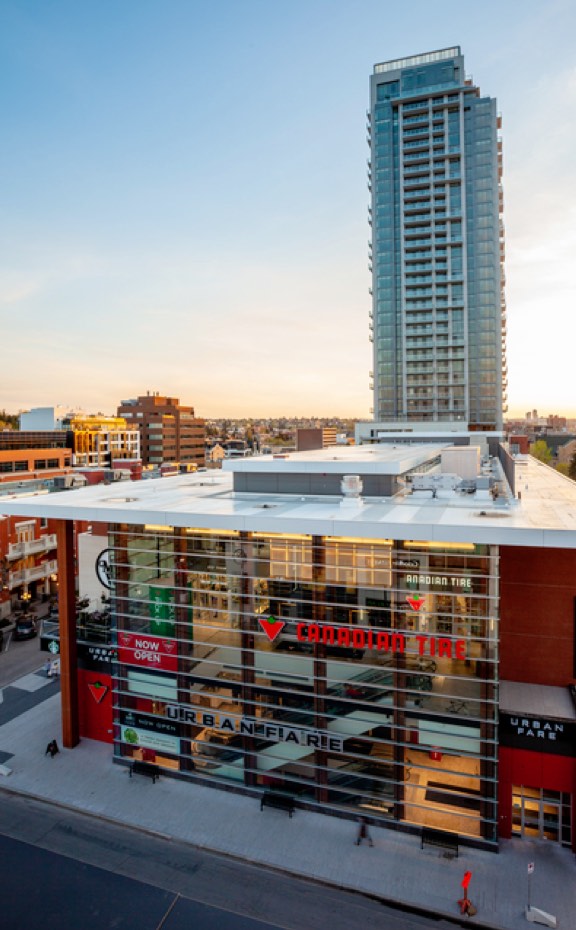
At First Capital, we strive to help communities grow and flourish while continuing our work in building thriving neighbourhoods. Our Cedarbrae Mall property is a great example of how we’re making a positive impact in our neighbourhoods by revitalizing our properties. If you have visited Cedarbrae Mall in the past, you may have noticed that it looks completely different today. Keep reading to learn more about our Cedarbrae Mall property, the renovations that took place, and why this redevelopment benefits the local neighbourhood and community!  

An Introduction to Cedarbrae Mall

Cedarbrae Mall is located in the heart of Scarborough. With over 60 retailers and restaurants to shop and dine at, this 476,000 sq ft enclosed shopping centre is anchored by Canadian Tire, GoodLife, No Frills, Dollarama, Winners, and LCBO. Cedarbrae Mall is where consumers shop for groceries, prescription drugs, personal care items, and household supplies. They can also do their banking and other personal services, or have a coffee and a bite to eat, making it a true shopping destination for everyday needs. Cedarbrae Mall serves the surrounding family-oriented neighbourhoods with over 103,325 households and a population exceeding 291,400 within a 5km radius.

Cedarbrae Mall, 2024
Cedarbrae Mall, 2023
Cedarbrae Mall, 2024
Cedarbrae Mall, 2020

1 km – $73,084

3 km – $73,084

5 km – $79,793

1 km – 4,630

3 km – 46,628

5 km – 103,541

1 km – 13,879

3 km – 134,886

5 km – 291,487


History of Cedarbrae Mall

Cedarbrae Mall, 2003
Cedarbrae Mall, 2001

The mall opened in 1962 as a plaza and was anchored by a Woolworth’s, a Zellers store, a Steinberg’s and a Simpsons, which later, in 1991 became a Hudson’s Bay.

Cedarbrae Mall, 2001

Renovations to Cedarbrae Mall would soon replace the original anchors, and bring a larger Zellers store, as well as additional retail space to the east and west sides of the mall. A No Frills, Canadian Tire, Toys “R” Us, as well as a renovated food court area and both an upper and lower floor were the next few major events for the mall.

Cedarbrae Mall, 2011

In August 1996, the mall was acquired by First Capital and announced it would begin expansion and renovation. In 2012, the Zellers store was acquired by Target, but later sold to Walmart Canada and opened as Walmart in late 2012. A Jysk store also opened around this time, to the west of No Frills.

Cedarbrae Mall, 2013

During mid-2013, the mall went through major renovations which included the full replacement of the interior and exterior lighting, automatic and energy-efficient washrooms, floor and ceiling finishes, a repaved parking lot, an enhanced food court, and the rebranding of the mall. By late 2013, most of the work was completed, with the exception of final touches such as carpets and mall seating. The food court, named Food Emporium, finished renovations slightly later.

Cedarbrae Mall, 2013
Cedarbrae Mall, 2020

On January 31, 2019, The Walmart closed permanently. This provided First Capital with the perfect opportunity to revitalize and modernize this portion of the mall to better meet the needs of the neighbourhood. 


Project Overview: A New Vision

 Cedarbrae Mall, 2024

Cedarbrae Mall has been undergoing a lot of new redevelopments and renovations, which were just recently completed. You might be wondering, what’s changed?

At First Capital, we pride ourselves on owning and operating some of the most accessible and conveniently located properties across the country. The former 120,000+ sf Walmart space at Cedarbrae Mall provided us with the opportunity to create better access into the centre while bringing more tenants to the property to better meet the needs of the community:

The 120,000 sf space has been transformed into 18 mixed-use units for future offices and various retailers. The renovated two-storey area has upgraded exteriors, new storefronts, improved public spaces, sidewalks, parking, and a convenient new mall entry. The ground floor now has 16 units, including 5 larger units with new storefronts facing outside and smaller interior units catering to local businesses.

Cedarbrae Mall, 2013
Cedarbrae Mall, 2014
Cedarbrae Mall, 2023
default
Cedarbrae Mall, 2024
Cedarbrae Mall, 2023

“This exciting new redevelopment will better serve the Scarborough community” But how?

Through this redevelopment, we welcomed many new tenants to Cedarbrae Mall, including Winners, Mark’s, Wellwise by Shoppers, Healthy Planet, and many more! This redevelopment provides a healthier tenant mix and an overall diverse shopping environment, adding a range of both national tenants and local businesses to the mall. From health and wellness to fashion and gifts, patrons can conveniently shop for everything they need under one roof. With these new additions, this mall is sure to become a prime shopping hub for tourists and anyone visiting the city! 

Here’s a few of the new tenants we welcomed to Cedarbrae Mall: 

Cedarbrae Mall – Dollarama, 2024
Cedarbrae Mall – Mark’s, 2024
Cedarbrae Mall – Healthy Planet, 2024
Cedarbrae Mall – Winners, 2024
Cedarbrae Mall – Wellwise by Shoppers, 2024
Cedarbrae Mall – Ardene, 2024
Cedarbrae Mall – Fit4Less, 2024
Cedarbrae Mall – Cunningham Taekwondo, 2024
Cedarbrae Mall – Virgin Plus, 2024

Improving accessibility, walkability, and the overall appearance was a top priority for Cedarbrae Mall’s redevelopment. Now, with upgraded public areas, sidewalks, and parking, it’s easier than ever to navigate in and around the mall. A convenient new mall entry was also added, bringing the total to four entrances for easy access. As you’ll notice, the upgraded and modernized storefronts give the mall a fresh, new, and inviting look. Finally, with a large selection of new tenants, patrons can enjoy a vibrant and dynamic shopping experience.  

Cedarbrae Mall, 2024

This redevelopment adds more spaces and units for local businesses and professionals, allowing new tenants to take advantage of the overall convenience the centre offers. By bringing in a mix of different tenants, the mall attracts a wider range of visitors, ultimately becoming a community hub for the local neighbourhood. This shows that we are not just upgrading the mall, but we are also giving more support to local businesses, providing them with the perfect spaces to grow and thrive.  


What’s Next: Our Plans and Goals for Our Properties 

On Friday, March 15th, 2024, we celebrated the reopening of the mall through a Spin-to-Win prize event, showcasing their new tenants and fresh renovations. Everyone had a blast spinning our prize wheel, with chances to win a Cedarbrae Mall-branded tote bag or gift cards from various tenants in the mall, including Winners, Dollarama, Tim Hortons, Mark’s, Ardene, and more. We had a great time serving our tenants and the local community, and we can’t wait to see what’s in store for Cedarbrae Mall! 


First Capital is pleased to contribute to the growth and revitalization of the Cedarbrae community and continue our work in building thriving neighbourhoods. Like Cedarbrae Mall, we have plans to revitalize various properties across our portfolio. Our goal is to improve the accessibility and convenience of our properties to better serve the needs of the surrounding community. Stay tuned for more updates on how we’re continuing to build thriving neighbourhoods across our properties!  

Learn more about Cedarbrae Mall here 

Follow Cedarbrae Mall’s Instagram here  

Stay up-to-date with Cedarbrae Mall news and promotions here 

Our team at First Capital is dedicated to helping businesses succeed, from the moment they speak with our leasing team to the completion of their perfect space with our construction team, and beyond. We take pride in building relationships with our tenants and providing support every step of the way.

We’re excited to give you an inside look into the process of bringing a new tenant into one of our properties through our First Look series. In this episode, we take you through the journey of welcoming Fit4Less to our Fairview Mall location in a 28,000 square foot space. This project is a great example of how we strive to make our centres more accessible and convenient for the surrounding neighbourhoods.

Our Senior Director of construction and Assistant Project Manager share their experience of taking an empty space and transforming it into a thriving business. Join us on this journey to see the process from start to finish.

Watch the Full Video

Since 2006, First Capital has been committed to corporate sustainability through a variety of ESG (Environmental, Social, and Governance) initiatives. These practices are integrated into every aspect of our business – from the design and construction of our properties, to how we support our employees’ mental health and well-being, and the charitable giving we offer our communities. To celebrate Earth Day, this month’s blog dives deeper into First Capital’s sustainability targets, specifically our goal of achieving Net Zero emissions by 2050. Keep reading to discover some fascinating insights from our current research and see how we’re actively working towards our Net Zero goal. 

  1. 46% reduction in Scope 1 and 2 emissions by 2030, (SBTi approved) 
  2. 28% reduction in Scope 3 emissions by 2030 (SBTi aligned)  
  3. Net Zero by 2050

Property Emissions Are a Result of Natural Gas and Electricity Use: 

Scope 1 (Direct Emissions): Primarily from Natural gas used to heat our buildings. 

Scope 2 (Indirect Emissions): Primarily from electricity used at our buildings. 

Scope 3 (Indirect Emissions): Primarily the emissions generated by our tenants at our buildings + the emissions from our new developments/construction projects and embodied carbon. 

The use of natural gas to heat our buildings is the highest category for emissions. Emissions from electricity use can vary regionally depending on the Provincial electricity grids (e.g. emissions from electricity use in Quebec are quite small because most of the province’s power is generated using clean, renewable hydro power). Heating and cooling equipment (rooftop-units, boilers, fans, ventilation) and lighting are the biggest emission-driving activities at our properties. 

Energy conservation means reducing the amount of energy needed, for example, improving the building envelope with more insulation and sealing windows and doors.  

Energy efficiency means improving the performance at the building by installing more efficient equipment such as LED lights, installing controls and heat recovery systems. 

Since 2019, First Capital has reduced our GHG Emissions by 9% mainly through reducing our energy consumption at properties. Through our Energy Efficiency Hunts, which is introduced later in this blog, our property teams walk through our buildings every year to identify ways in which we can operate more efficiently, and action on measures identified.  

With natural gas usage being the highest category for GHG Emissions, moving toward heating and cooling equipment that uses low-carbon energy will have a large impact at our properties. Heat Pumps and Hybrid Heat Pumps are an alternative to gas-powered rooftop units and operate more efficiently.  

To meet our Net-Zero goals we will need to start electrifying our HVAC equipment. We are in the planning and pilot phase and the priority is gas-powered rooftop units that are at end of life. We have identified several common area rooftop units to conduct feasibility studies and pilot heat pump replacements in 2024. Conducting these pilots will allow us to create a standard process and spec to implement heat pump replacements across the portfolio.  

This involves generating on-site renewable electricity for direct use by First Capital through rooftop solar installations.  We will also consider future Power Purchase Agreements, allowing us to purchase energy from a renewable energy source.  

We are assessing sites to find opportunities in the portfolio and hope to move ahead with our first rooftop solar installation in 2025.  


First Capital has made significant strides in reducing emissions and is currently planning measures and activities to achieve our Scope 1, 2 and 3 reduction targets. Continue reading to discover one of our annual ESG Initiatives and how this practice brings us closer to our Net Zero goal!  

In 2022, First Capital’s Operations team was recognized internally for their hard work in identifying energy efficiency opportunities across our properties as part of our annual Energy Efficiency Hunts initiative. 

Pointing out opportunities to switch out existing lighting to LEDs
Inspecting external doors for door sealing replacement

Each year, Operations Teams in each PMZ (Property Management Zone) choose two properties to perform a walkthrough audit with the goal of identifying energy efficiency opportunities to later act upon and implement solutions that will save energy. These opportunities could be switching out lighting to LEDs, sealing doors and windows to prevent drafts, or adjusting thermostats to more mild temperatures – to name a few. 

The Operations team (by PMZ) in each region that scored the highest number of points was named the winner. Points were awarded based on the number of energy efficiency opportunities identified and extra points were given when solutions were implemented.  

As we know, First Capital is committed to reducing its greenhouse gas emissions by 46% by 2030 and achieving net-zero by 2050. A significant portion of our emissions come from the energy we use to heat and cool our properties. Reducing the amount of energy used will reduce our emissions and bring us closer to meeting our targets. 

Teams identified 298 opportunities (measures) and implemented/completed solutions for 189 of them, which is almost two-thirds of the total number of opportunities identified! 

We’re thrilled to continue our Energy Efficiency Hunt initiative and hope to see even better results in the years to come!

From our properties to our corporate practices, First Capital has been a leader in driving sustainability in the Canadian Real Estate industry, which is integral to our strategy of building thriving neighbourhoods. We’re constantly developing our ESG programs, and regularly improving and upgrading our policies. Although we are proud of our many ESG achievements to date, we recognize significant work needs to be done. Join us as we explore what lies ahead for First Capital and how we continue to work towards a greener and more sustainable future. 


Click here to read about all things ESG, including our past initiatives, reports, and blog posts.  

Follow us on Instagram & LinkedIn to stay updated on the latest ESG news.  

Stay tuned for our 2025-2030 Roadmap, which will be published later this year! 


Since the first cohort joined us in 2017, we’ve had many talented young professionals come through our Summer Intern Program, kick off their careers, and ultimately make their mark in the Canadian Real Estate industry. We’re looking for the next generation of Real Estate professionals to revolutionize and push our industry forward. Do you have what it takes?  

About FCR’s Unique Intern Program 

Our Intern Program gives young professionals access to enriching opportunities to start and accelerate their careers. Through this program, First Capital Interns gain real, meaningful work experience through hands-on activities, working alongside our leaders on exciting projects and strategies. In addition to day-to-day assignments, Interns have access to a series of learning and networking events, mentorship sessions from our leaders, and an end-of-term Capstone Project. Our goal is to provide all program graduates with a solid understanding of our business, the Canadian Real Estate (CRE) industry, and a wealth of valuable connections. 

The program spans from May to August and we offer positions in many departments including Asset Strategy, Real Estate Services, Development, Information Technology, Marketing & Communications, People & Culture, Finance & Accounting, Legal, and many more across our offices in Canada. There’s truly something for everyone! 

A Recap of our 2023 Summer Intern Program 

Our 2023 program, which consisted of 18 interns, featured role-specific projects, weekly Learning and Mentorship Sessions, Intern Socials, Networking Events, and the end-of-term Capstone Project. 

The Capstone Project Presentation  

Our Interns also take part in the Capstone Project that ties all the foundational elements of the internship program — practical work experience, collaboration, research, and innovative problem-solving. Interns from across their disciplines work together and look for ways to drive creativity and innovation within our portfolio of mixed-use real estate. This project spans the entirety of the program and is presented to our Executive Leadership Team at the end of the four-month term. Talk about real work experience! 

Testimonials From Past Interns (and Interns turned Employees!)  

What’s it like to intern at First Capital? Check out some testimonials below and get a glimpse into what your experience could be like: 

I joined First Capital as a summer law intern in 2023. During this time, I had the opportunity to gain hands-on experience in real estate and leasing law while developing an understanding of the CRE industry. I also had the benefit of working under exceptional mentors who made a point to prioritize my education and growth as a legal professional. I have come to appreciate First Capital’s welcoming culture and have developed lifelong personal and professional relationships with my peers. First Capital’s summer intern program is a valuable springboard to any student’s career, and I cannot endorse it enough.” 

– Brody Zuckerman, Summer Law Student (2023) 

“FCR promotes the growth of every employee, regardless of position. As a young professional, being challenged and tasked with higher-level responsibilities is a unique way to learn that most internships don’t provide. While I learned how to tackle real-life problems in the CRE industry, I also learned the value of surrounding oneself with professional and personal mentors who want to see you succeed. Thank you to everyone who imparted wisdom and patience over the past 16 weeks, it goes a long way for us!” 

– Mafe Angeles, Marketing and Communications Intern (2023)

“In the Summer of 2023, I began my internship with First Capital as a Property Management Intern. FCR’s intern program was exactly what I was looking for, and the skills I gained in correspondence/project management and ESG analysis are all going to be indispensable as I go on to complete my studies. In operations, I wasn’t just an intern; I was a future property manager, and my mentors did everything they could to get me ready for when I find myself working alongside them. The feeling of genuine teamwork is something you can’t find in many workplaces, but everything First Capital did has really made me feel like I’m a part of a family.” 

– Nathan Baggs, Property Management Intern (2023) 

“This summer I had an amazing time working as a property accounting intern at FCR. I really value that my managers have given me guidance and support, which allows me to develop both personally and professionally. Aside from acquiring a wealth of practical knowledge within my own field, I’ve had the invaluable opportunity to delve into various other departments, fostering connections with professionals across the company and gaining a holistic understanding of its operations. I am truly grateful for such a great experience to contribute, learn, and evolve within FCR’s dynamic and nurturing environment.” 

– Angela Wang, Property Accounting Intern (2023)

Over eight years ago, I began my professional journey as an intern at First Capital. This role served as a solid foundation from which to build my career by immersing me in a wide range of projects at a company renowned for its best-in-class portfolio and platform. The invaluable experiences I gained and the guidance of my mentors within the company allowed me to transition seamlessly into a full-time position following my graduation, and I have continued to grow with the company ever since. I would encourage any aspiring professional to explore an internship at First Capital REIT!” 

– Jeff Farbman, Vice President of Investments at First Capital 

“In the summer of 2022, I began working at First Capital as a marketing intern, and it has been a fulfilling experience ever since. The warm and welcoming work environment provided an excellent introduction to the professional world, allowing me to develop new skills and grow in more ways than I could have imagined. During my internship, I honed a diverse skill set, including collaboration, communication, and organization, and was able to apply much of what I had studied during my academic experience.  

After being offered a full-time position in 2023 and getting more involved in the company, I had the opportunity to refine my graphic design skills and work collaboratively across various departments. The exceptional work culture at FCR, coupled with my incredible mentors, has been a valuable asset that has guided and supported me throughout my journey here. I look forward to an exciting future here at FCR. 

– Kristian Murphy, Junior Graphic Designer at First Capital 

Why First Capital?  

At First Capital, we offer a dynamic and diverse environment that allows for all our employees to grow and be successful. We invest in those who are passionate about what they do, are always willing to put their best foot forward, and are dedicated to working together to drive innovation and achieve success.  

We’re passionate about empowering the next generation of professionals in the real estate industry, and we aim to continue growing and implementing our yearly intern program to achieve this goal. Challenging, exciting, dynamic, and rewarding; FCR’s workplace offers enriching opportunities to grow and contribute meaningfully to our neighbourhoods.   

Need help with your resume? Check out our blog on resume trends, tips, and tricks you should be thinking about here 

Keep updated on all FCR job opportunities by subscribing to our Recruitment Newsletter here 

Before today’s vibrant grocery-anchored shopping destination with a variety of notable retailers, Loblaws Plaza in Ottawa had a limited number of retail tenants. Before FCR took ownership, there was one primary reason community members would commute to the intersection of Baseline Road and Merivale Road: to dance. This ritual continues today, thanks to the Greta Leeming Studio of Dance (GLS), a world-renowned institution that has been serving the community for 61 years and counting.

Dance for Tami-Lynn, the current owner of Greta Leeming, is as essential as breathing. Her career began when she was just 4 years old, and given her family’s legacy, she might have always been destined to own her own studio.

Only, Tami-Lynn didn’t anticipate she would run a studio as established as Greta Leeming Studio of Dance.

Her mother was a dance teacher, who opened her own studio called the Bonnie Lynn Armstrong School of Dance, and later her cousin opening the Holtz Studio of Dance, where she did her training.  Tami-Lynn began  teaching when she was 14 years old and has never stopped.

At the age of 17, Tami-Lynn joined the CFL as a cheerleader for Ottawa Rough Riders and continued working in the dance community with as a teacher and choreographer with local theatre companies. When a friend recommended her to Greta Robinson to take over as a dance teacher at her studio, the rest, for Tami-Lynn, is history.

Greta standing buy her sign in the studio

Dancing Their Way to the Top 

Greta Leeming was the place to go for ballet training in the 60s, and through the years to provide premiere dance training in a multitude of disciplines including tap, jazz, hip hop and contemporary dance. Tami-Lynn recalls that Greta was always focused on getting the best talent and staff to provide the highest quality of training to expand in each discipline and often source staff and talent internationally.

Tami-Lynn observed the studio over the years as it modernized and grew under Greta’s ownership and became a pillar of the community, where Tami-Lynn eventually took over in 2011.

She also explains that the majority of the staff that currently work at Greta Leeming in fact were Greta Leeming students, Tami-Lynn claims the staff hold themselves to a high level of excellence “(they) understand the quality of training that is expected from experience, whether you are two years old or an adult, you are going to get quality training”.

dance teacher helping student with position

Tami-Lynn continued to evolve her dance career while working at Greta Leeming, and she supported Greta as the studio grew, which led to Greta offering her more responsibilities. Tami-Lynn eventually approached her and asked if she could take over the studio, and once Greta was ready to retire, she happily handed over the keys to the kingdom. She worked closely with Greta during this transition to ensure the studio would continue under the same principles.

“I thought about changing the name (of the studio), but there’s prestige behind the name Greta Leeming that benefits our students, dancers from Greta Leeming are recognized internationally for their talent”

  • Tami-Lynn Caloia, Owner/Director of GLS 
Greta Standing Infront of her studio with sign above

The GLS Community & Importance of Mentorship 

Dozens and dozens of dancers have moved on from Greta Leeming to professional jobs whether it be opening their own dance studios, to performing on Broadway, TV and movie sets. Some notable movies and shows include The Radio City Rockettes, The Music Man, Jersey Boys, and Hairspray.

Tami-Lynn believes at her core what sets this studio apart from the rest is her dedicated staff, and their expertise for each area of dance “There are no generalists here, only experts that specialize in every lane of dance.” When Tami-Lynn gained ownership there were 18 staff, and she had to immediately carry the dance studio as well as the competitive program, while learning to navigate those relationships and keep the community strong around her.

Empty dance studio with logo on the wall

Tami-Lynn summarizes the studio as providing “… quality instruction, a professional and positive atmosphere, and a place for everyone”. She recognizes that dance class teaches kids many skills other than just dancing, building on their collaboration, time management and discipline.

  • Tami-Lynn Caloia, Owner/Director of GLS 

“Kids need life skills more than anything to learn how to collaborate and build their confidence.” She notes on the mentorship her studio provides for young children, citing that Greta Leeming teaches “…life skills just as much as dance”.

Today, they host approximately 130 dance classes every week, with 500+ dancers registered. Not all these dancers are children, there are over 100 adults registered at her studio and Tami-Lynn has introduced adult intensives and bootcamps for beginners, intermediates, and advanced dancers.

“When people take on dance as adults, they have a new zest for life and expression of self. It’s amazing that we can facilitate and encourage that.”

  • Tami-Lynn Caloia, Owner/Director of GLS 
female and male adults tap dancing in a studio

Dance is a special community outside your everyday life, and Tami-Lynn has witnessed an endless number of life-long friendships and bonds formed at Greta Leeming. If there’s one thing she can’t emphasize enough, it’s that dance can benefit everyone.

“The biggest misconception is when people say they are not good enough to dance at Greta Leeming… we’ve expanded our curriculum so there is something here for everyone.”

  • Tami-Lynn Caloia, Owner/Director of GLS 

Location and Community Is Everything  

Tami-Lynn is extremely grateful for everything First Capital has done for the surrounding neighbourhood, bringing some amazing retail tenants and neighbours.

“Since First Capital has come in, we have everything, we have Starbucks, Pet Valu, Nando’s. I worked here for 25 years with nothing… Tim Horton’s being a 20-minute walk was the closest we had, and the Loblaws.”

  • Tami-Lynn Caloia, Owner/Director of GLS 
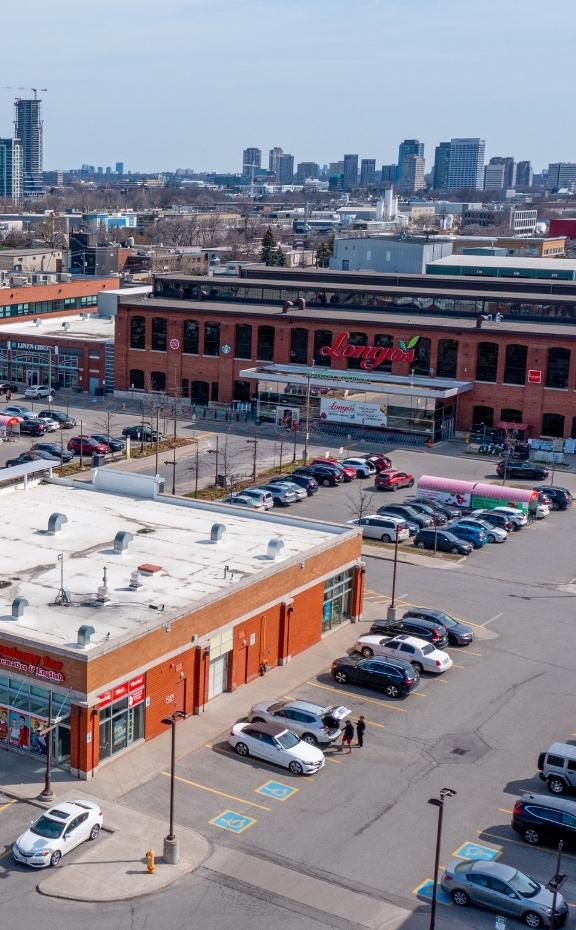
Loblaws and other storefronts with parking lot and parked cars in the foreground
aerial of Loblaws Plaza in Ottawa

Tami-Lynn loves the diversity of the tenants and feels that the surrounding stores give her great exposure to potential new customers and vice versa.

What’s next, you might ask? She is looking forward to evolving in the space they are currently in and expanding their classes offerings even further.

“I’d like to work with seniors next, there’s so many things I’d like to do within the perimeters of my current location. I don’t want to run the risk of losing the quality we’ve maintained all this time.”

  • Tami-Lynn Caloia, Owner/Director of GLS 

Since its inception, GLS has helped thousands of young dancers reach their full potential, with many moving on to become company dancers, entertainers, as well as dance education professionals. If you’ve always been curious to take up dancing, this might be your sign to start. For those who live in and around Ottawa, stop by Greta Leeming Studio of Dance located in Loblaws Plaza.

To learn more about the studio, head to their website linked here and follow them on Instagram linked here.

For the fourth time in five years, we are honoured to have been named one of Greater Toronto’s Top Employers by Mediacorp Canada and The Globe and Mail. This prestigious award recognizes organizations who demonstrate excellence and best practices in the workplace for employee support and success. Each year, applicants are evaluated on leadership in employee culture, benefits & total rewards, communication, training & education, and community involvement. 

Across our portfolio, our people are our most valued asset – they are at the core of everything we do. Their efforts, passion and willingness to help out each other, our tenants and those in our communities shape the FCR culture. 

 We invest in our team. Examples of the programs we’ve created to better the opportunities for our staff include: tuition subsidies to further employee’s education, an exceptional and well recognized summer internship program, substantial mental and physical health benefits, as well as flexible work schedules and extensive wellness packages to fit the diverse needs of our employees.  

Through the work of our Equity Diversity and Inclusion Council, we are creating a safe and respectful work environment that embraces different perspectives and lived experiences, as we strive to inspire everyone to become their best selves. As a Canadian company, we understand the importance of ED&I in the workplace as it reflects the diverse communities in which we operate. We’re continuing to evolve, educate ourselves and build on our understanding of ED&I and do better.  

Our FCR Thriving Neighbourhoods Foundation has also made huge strides since its launch in 2020. We are proud to report, with the conclusion of our 2023 fundraising season, over $900,000 in funds raised for charities across Canada. Through our various events, including our signature CRE softball tournament, charitable programming, and volunteerism, we’ve supported great charities like Kids Help Phone, Second Harvest, Food Banks across Canada, and many more!  

Being recognized as one of Greater Toronto’s Top Employers is a testament to the excellence, commitment and talent among our 350+ employees nationwide. Our employees are at the core of our success, and we wouldn’t be where or who we are today without them. 

THANK YOU FCR TEAM! 

To learn more about this recognition click here

Welcome back to First Capital’s Climate Action Video and Blog Series. Throughout the series, we’ve focused on major climate change contributors and how we can make positive environmental impacts. In our fourth and final installment of this series, we’ll be discussing biodiversity and how we can preserve it. 

Biodiversity is essential for the health of our planet, but sadly human activity is gradually killing it off. Thankfully, there are ways we can preserve it and stop the destruction of it before there’s none left. The time is now to take action that will have a positive impact for the future and health of our planet. Whether you’re at home or work, your efforts can help preserve the biodiversity of life on Earth.  

What is biodiversity? 

Biodiversity represents all the various kinds of life on earth that make up our natural world – including the endless varieties of animals, plants, fungi, and even microorganisms such as bacteria. Each of these species and organisms work together in ecosystems, like an intricate web. 

Biodiversity is essential for the survival of our planet. It provides the air we breathe, the food we eat, medicines that keep us healthy, and so much more. We rely on biodiversity to support all life on Earth. 

Unfortunately, human activity, both intentional and unintentional, affects the biodiversity of the planet and poses a serious threat to its livelihood. Historically, the most significant threat to biodiversity has been the alteration and ongoing deterioration of natural habitats for agriculture and resource extraction. However, as climate change continues to intensify, its impact on ecosystems will become an increasingly pressing concern. As it stands, the degradation of biodiversity on our planet is occurring at an alarming rate and we need to work together to preserve it for generations to come. 

Intentional vs. Unintentional Human Activity Biodiversity Destruction 

A perfect example of habitat and biodiversity destruction from intentional human activity includes the vast deforestation and excavation of land to build homes, commercial buildings, and farms. Currently, forests cover 31% of the land on our planet – a number that sadly used to be much higher. In Canada, extracting natural resources such as gas, oil, and other minerals is a big part of our economy. Not only does the extraction process emit harmful greenhouse gases into the atmosphere, but it also negatively impacts our intact forests. Extractions require roads, pipelines, seismic lines, and open pits – all of which cause deforestation. 

Land use change is the primary driver of biodiversity loss, accounting for approximately 30% of the decline worldwide. Overexploitation, such as overfishing, overhunting, and overharvesting of resources like food, medicine, and timber, is the second leading cause of biodiversity loss, contributing to around 20% of the decline. 

Biodiversity loss, however, is not just confined to land. To that effect, an example of unintentional human activity that causes biodiversity destruction is the gradual loss of our coral reefs. Coral reefs are some of the most important and precious ecosystems we have on earth as they provide necessary habitats for fish and other aquatic life, protect coastlines from storms and erosion, provide jobs for local communities, and produce a grave amount of oxygen that keeps aquatic species alive. As an indirect result of human activity (emissions of harmful pollutants and greenhouse gases), our oceans’ carbon dioxide levels and overall temperature are continuing to rise. Unfortunately, this creates an environment where coral cannot survive and as a result, many around the world are dying at an alarming rate.  

Our Wilderton Centre property, located in Montreal, QC, contains a moss-filled roof that reduces energy use in the building as it provides a natural cooling barrier. It creates a habitat attracting surrounding wildlife. This helps the neighbourhood’s biodiversity thrive. 

So, how can we preserve biodiversity? 

There are multiple ways we can preserve biodiversity, but in order to make a significant impact, both individuals and organizations alike must do their part. At First Capital, we are committed to sustainability and reducing our impact on the environment. We have implemented various initiatives to help biodiversity thrive.  

During the summer of 2022, we partnered with MircoHabitatto transform an outdoor patio space into an urban farm. We grew a variety of vegetables and harvested over 500 edible plants and 104lbs of vegetables, edible flowers, and herbs – all of which was donated to a local food charity.This initiative contributes to the greening of spaces; helps create local, ecological, and resilient food systems; helps support our local community; and encourages biodiversity in our urban area. Click here to learn more about this initiative.  

In 2020, we launched our Beehive program and have installed a total of 11 beehives at various properties across our portfolio. Bees play an instrumental role in the survival of the Earth’s ecosystems and biodiversity. Their importance lies in the ability to transfer pollen between flowering plants which ultimately leads to their growth and reproduction. Click here to learn how we’re growing our sustainability initiatives one beehive at a time. 

What you can do 

Preserving biodiversity is not just the responsibility of corporations and governments; it’s also up to individuals. Here are some practical steps you can take to help preserve biodiversity:  

  • Make sustainable food choices: food production remains extremely high due to human overconsumption and excess food waste. Our food choices can have a significant impact on biodiversity. Eating a plant-based diet, choosing sustainably sourced local foods, and even reducing our meat consumption can all help preserve biodiversity. 
      
  • Reduce food waste: food waste is a significant issue that contributes to biodiversity loss. Nearly 60% of the food produced in Canada is thrown out every year. That’s about 35.5 million metric tons, equaling the weight of 300 CN Towers. When we waste food, we waste the resources used to produce it, including the water for crops to grow and the fossil fuels used to harvest and transport it. Try to plan your meals and shop for only what you need. Composting is also an excellent way to reduce food waste and create nutrient-rich soil for plants.   

    Create a wildlife-friendly garden: creating a garden that supports wildlife can help increase biodiversity in your local area. Try planting native species, installing birdhouses and feeders, and avoid using pesticides and herbicides that harm wildlife. A garden is also a great way to save money on rising grocery costs and promote pollination.  

    Educate others: one of the most effective ways to preserve biodiversity is by educating others about its importance. Share what you’ve learned with friends and family, participate in community events, and support organizations that are working towards a better, more sustainable future. 

As we’ve outlined thus far, biodiversity is essential to maintaining the health of our planet and its inhabitants. It’s up to all of us to take action and preserve it. Whether it’s at home, work, or in our communities, every effort counts. As we work towards our overarching goal of achieving net-zero by 2050, improving the biodiversity in our neighbourhoods is one of the many ways that will help us get there. Learn more about our long-term goals in our 2020-2024 ESG Roadmap here

That’s it for our Climate Action Video & Blog Series! We hope this has inspired you to take action and do your part in protecting our environment. Climate change is a journey, and it affects us all. Let’s work together to create a promising future for our planet and generations to come.  

Missed the first three installments of the Climate Action Video and Blog Series? Check them all out below: 


  • Episode 1: Climate Change & Taking action – link here 
  • Episode 2: Energy Conservation – link here 
  • Episode 3: Transportation – link here 

Welcome back to First Capital’s Climate Action Video and Blog Series. In the third installment of this four-part series, we’ll be discussing transportation, its environmental impact, and what we can do to create a more sustainable future. So, buckle up and get ready to learn how our transportation habits are affecting the world we live in.

Transportation is an essential part of our daily lives, from driving your car to go visit friends and family to biking along your city’s streets to taking the airplane to your next beach vacation. However, transportation comes at a serious cost to our environment. From the emissions that come from our vehicles to the resources required to produce and dispose of them, transportation is a major contributor to environmental degradation. In fact, the pollutants released by gas fuelled cars and trucks contributes to a fifth of the world’s total greenhouse gas emissions (GHG).  

Transportation Habits 

First, let’s talk about transportation habits. Every day, we make choices about how we get from one place to another, and those choices can have a significant impact on our environment. This can include walking, biking, driving, or taking public transportation.   

Unfortunately, the most popular form of transportation is single-occupancy car trips and there are several reasons why. For one, cars provide a sense of freedom and convenience, allowing people to travel wherever and whenever they want without having to rely on public transportation schedules. Additionally, in many parts of the world, infrastructure and urban planning have been designed to prioritize cars over other forms of transportation, making it difficult or even dangerous to get around by bike or on foot.  

Did you know that light-duty vehicles (cars, SUVs, and trucks) produce more than four times the GHG emissions of all domestic aviation in Canada? They account for nearly half of all GHG emissions from the transportation category. 

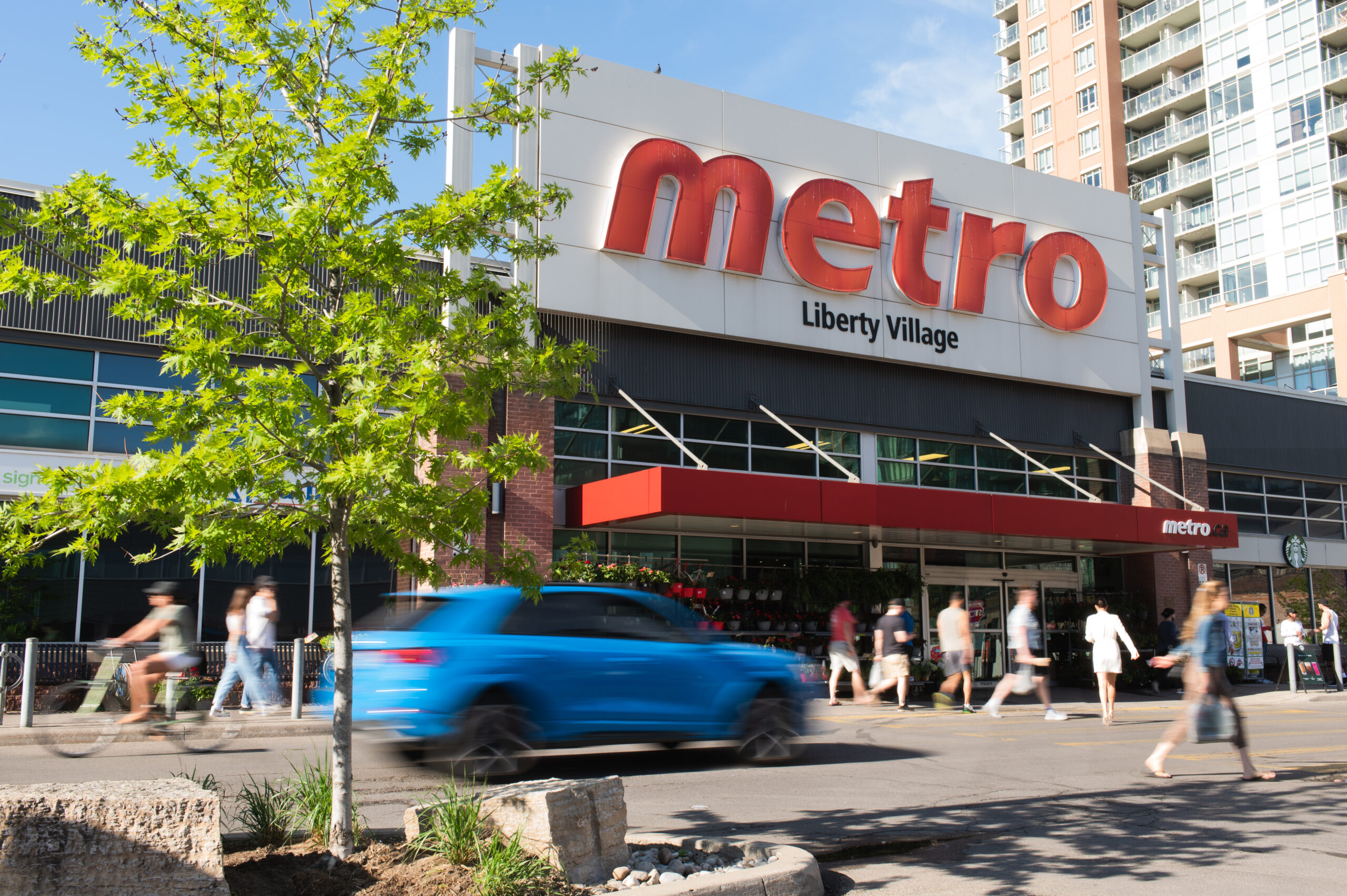
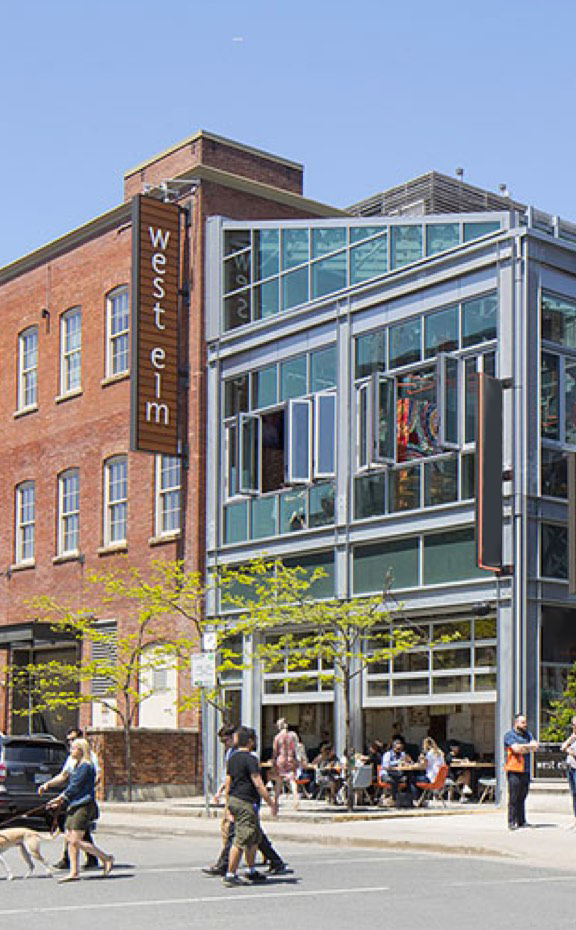
EQ3 building in Liberty Village with people walking and cycling by

So, what can we do to change this? 

To start, the environmental impacts of widespread car use have become increasingly apparent. Many cities and regions are taking steps to promote other forms of transportation, such as biking, walking, and public transit. By promoting these alternatives and creating more walkable and bike-friendly cities, we can reduce our dependence on cars and create a more sustainable future.   

Imagine… a future without sitting in traffic.  

Now, we are not saying to stop driving altogether, but reducing how much you drive is a great place to start. A few ways you can better your transportation habits include: 

  • Taking public transportation to and from work when possible  
  • Shopping locally to reduce the distance you drive  
  • Carpooling 
  • Walking or biking to your destination – this not only helps the environment but also promotes a healthier lifestyle. On average, you burn roughly 100 calories (about 8 minutes of running) per 1.6 kms 

We understand that taking public transit isn’t always an option, especially for trips up to your cottage and other more remote areas. To supplement this, we suggest investing in vehicles that produce less GHG emissions including hybrid and fully electric vehicles. 

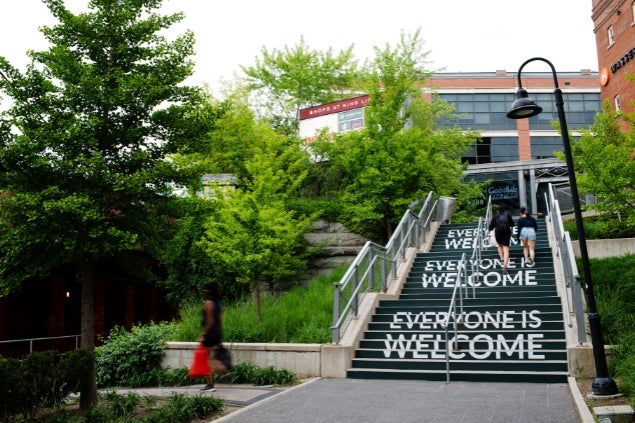
King High Line Toronto

We know that organizations like ours play a big part in making cities more accessible and making it easier to travel more sustainably. 

Businesses have also begun taking steps to promote other forms of transportation, like upgrading their fleet to electric vehicles, providing proper storage for bikes at offices, and installing EV charging stations at the workplace. In fact, we have installed over 250 EV chargers across our portfolio and are committed to having EV stations across our entire portfolio by 2024. Along with EV chargers, our portfolio has an average walk score of 71 and 99% of our properties are within a 5-minute walking distance of public transportation. We’re committed to fostering a greener future and this is one of the ways we’re doing so. 

Read more about our EV charging station implementation program here

Choosing alternative forms of transportation can significantly reduce an individual’s carbon footprint and have a positive impact on the environment. Studies have shown that shifting from single occupancy car rides to public transportation, biking, or walking can reduce an individual’s carbon footprint by an average of 30%.  

So, the next time you’re deciding how to get from point A to point B, consider choosing an alternative form of transportation. Making these important choices can have a significant impact on the environment and help create a better future. Let’s all do our part to reduce our carbon footprint and create a healthier planet for future generations. 

Missed the first two installments of the Climate Action Video and Blog Series? Check it out the first one on Climate Change & Taking Actionhere and see the second one on Energy Conservation here

Welcome back to First Capital’s Climate Action Video and Blog Series. In the second installment of this four-part series, we’ll be discussing energy consumption as it is one of the largest contributors to climate change. Luckily, there are ways we can conserve it.  

We’ll be exploring the concept of energy conservation, what we’re doing to help, and providing practical tips for individuals and businesses to reduce their energy consumption. Together, we can transition to cleaner, more sustainable sources of energy. Join us on this journey to a more sustainable future. 

Every day, we consume energy to power our homes, businesses, and lives. From enjoying your morning coffee, charging your cellphone battery, warming and cooling your home, to binge watching your favourite TV show, we’re constantly consuming energy. But have you ever stopped to think about where that energy comes from, and how it impacts our planet?  

Fossil fuels, a non-renewable energy source, are the second largest source for electricity production in Canada – we rely on them very heavily. It is created through the extraction and burning of hydrocarbon-containing materials that are naturally formed in the Earth’s crust such as coal, oil, and natural gas. The process of burning fossil fuels to generate energy (most commonly for electricity and transportation) emits harmful greenhouse gas (GHG) pollutants into the atmosphere. Further to which, the extraction, transportation, and burning of fossil fuels can lead to water and air pollution, habitat destruction, and other environmental issues. Did you know that burning fossil fuels is one of the leading causes of climate change? 

Today, residential, commercial, and institutional buildings contribute to 17% of Canada’s GHG emissions. These emissions come from the electricity used to heat and cool our buildings, as well as to power them and all the appliances inside. Additionally, when we consider building materials and construction, the number jumps from 17% to 30%, making the building sector Canada’s third-highest carbon emitter.  

The truth is, our reliance on fossil fuels and other non-renewable energy sources is taking a toll on the environment, contributing to climate change and other harmful environmental issues. The good news is that there are things we can do to make a difference – and that starts with energy conservation.  

map of Canada and chart

What is energy conservation?  

Energy conservation is the practice of reducing the amount of energy used while still achieving the same outcome. In other words, it’s about doing more with less. Don’t worry, you don’t have to stop your morning coffee routine; we just have to find ways to make it more efficient.   

Both businesses and individuals have an important role to play in energy conservation. For businesses, energy conservation can reduce operational costs and help with sustainability efforts. For individuals, energy conservation can save money on monthly bills and reduce their carbon footprint. Even better, making your home more energy efficient will likely increase its value.  

So, what can you do at home to conserve energy? Here are three simple things:

  1. Switching to energy-efficient light bulbs: these light bulbs (i.e., LEDs) use up to 80% less energy than traditional bulbs and last up to 25 times longer. This is an easy upgrade with a huge benefit.  

  2. Draft proofing & installing weatherstrips: Adding weatherstrips around doors and draft proofing windows can keep warm and cool air inside your house. By doing so, it reduces your energy consumed to heat and cool your home, which also results in lower energy bills and overall comfort in your home. This reduces the impact on your HVAC equipment and preserves its longevity.  

  3. Upgrading to energy-efficient appliances: When replacing old appliances, consider upgrading to energy-efficient models. Look for appliances with the ENERGY STAR label, which are certified to use less energy than standard models. These energy-efficient appliances will reduce the energy required by 10% to 50% and can save you 20% to 50% on your monthly energy bills. 
     

For those who own businesses or want to reduce energy consumption in their workplace, here are a few great ways to do so:   

  1. Conduct an energy audit: This involves analyzing energy use in the workplace and identifying areas where energy can be saved. An energy audit can help businesses determine which systems and processes are using the most energy and where improvements can be made. This is a great starting point to conserve energy.  
     
  2. Use energy-efficient equipment: Businesses can reduce their energy consumption by using energy-efficient office equipment such as printers, computers, and copiers. Additionally, switching to energy-efficient heating, ventilation, and air conditioning (HVAC) systems can result in significant energy savings and provide cleaner and better air quality.  
     
  3. Encourage employee participation: Businesses can promote energy conservation by educating employees on ways to save energy. This can include turning off lights and equipment when not in use and using natural lighting and ventilation when possible. This spring, we’re launching our Green from Home initiative that will encourage our staff to do their part as well. 

How can we introduce clean and renewable energy in our daily lives? 

Clean energy comes from systems that produce energy without emitting any pollutants. Systems like solar, wind, geothermal and hydropower are all examples of clean energy that substantially reduce GHG emissions and help eliminate the need for fossil fuels. 

Businesses and homes are continuing to implement clean energy systems to help combat GHG emissions and reduce energy costs. For example, at First Capital, we are implementing geothermal technology into some of our newest developments. Geothermal energy is a type of renewable energy that takes the heat from the earth’s core and uses it to heat and cool buildings. Not only does it have a very long lifecycle, but it can be harvested and used for everyday energy consumption and provides healthy indoor air, eliminating the use and combustion of fossil fuels all together. 

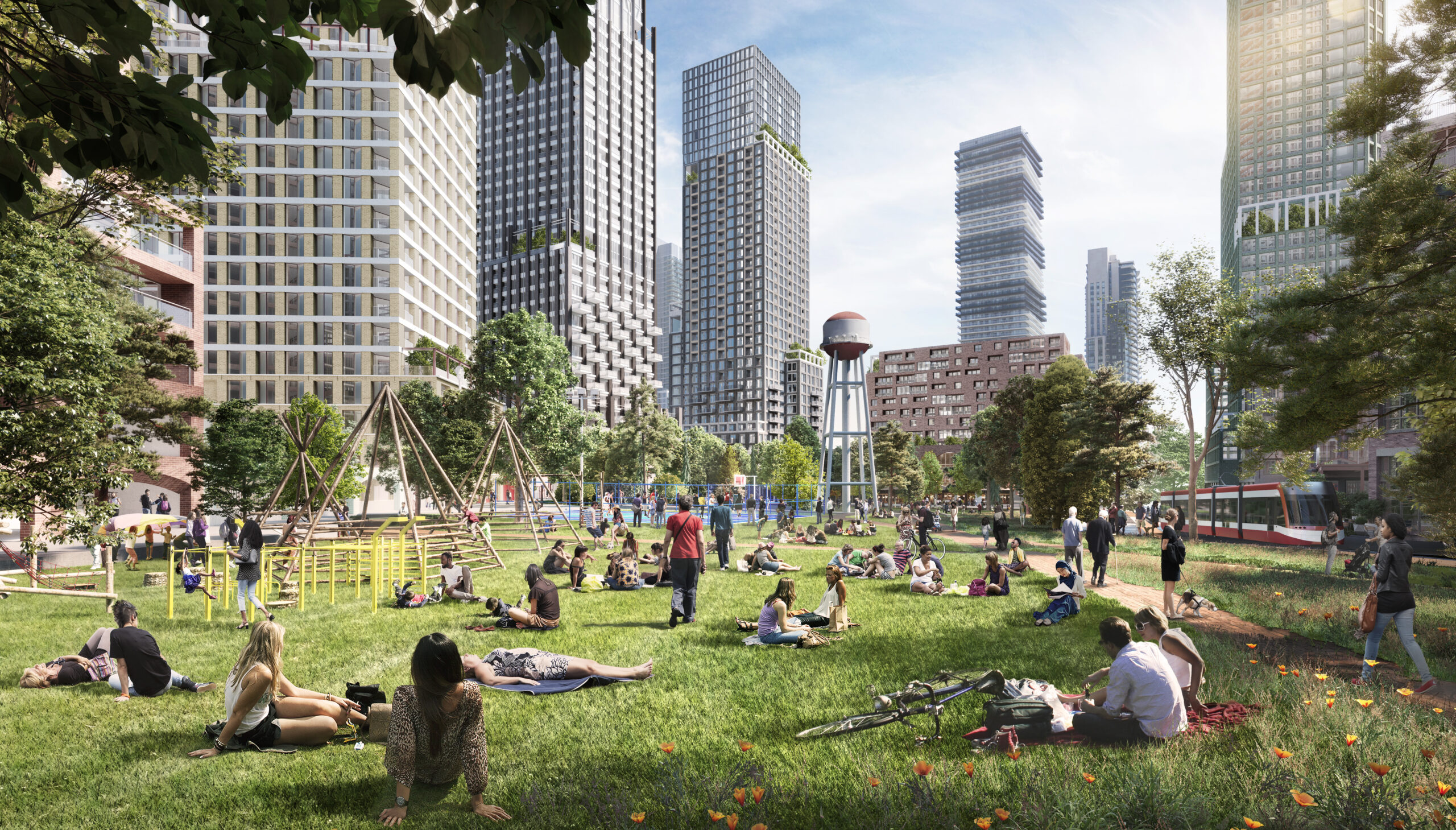
A rendering of our 1071 King Street West development – this Liberty Village development has incorporated several modern architectural elements that conserve energy and are sustainably focused. Learn more about this development here 

At First Capital, we recognize the impact our properties have on the environment and are committed to improving our sustainable efforts until we achieve net-zero by 2050. As leaders in the commercial real estate industry, we believe it is our responsibility to drive sustainability efforts and are committed to doing our part. We’ve taken steps towards reducing our energy consumption at our properties, including our portfolio-wide LED parking lot lighting retrofit. While this was significant, we understand that there is more work to be done and are in the middle of conducting energy-audits at every single one of our properties to identify where we can conserve energy.  

Energy conservation is everyone’s responsibility. By taking simple steps at home and work, we can help protect the environment, reduce our carbon footprint, and save money.  

Visit our Environmental, Social, and Governance (ESG) page for more information on how we’re taking action to combat climate change – click here. 

Missed the first installment of the Climate Action Video and Blog Series? Check it out here

Welcome to First Capital’s Climate Action Video and Blog Series. In this four-part series, we’ll be discussing the climate crisis facing our planet, identifying the three largest contributors to climate change, and talking about how we can take action in both our homes and in the workplace to create positive change.  

Since 2006, First Capital has committed to corporate sustainability through a variety of Environmental, Social, and Governance (ESG) initiatives. As leaders in the commercial real estate industry, we believe it is our responsibility to drive sustainability efforts and are committed to doing our part.  

Ever wondered how you can take action to help offset climate change? Climate change is a journey, and it affects us all. Let’s work together to create a promising future for our planet and generations to come.  

What is climate change? 

Climate change is the long-term shifts in temperatures and weather patterns due to human activity. It is one of the most pressing challenges humanity currently faces. In looking at the state of our environment, we can see the effects of climate change all around us such as extreme weather, rising sea levels, melting glaciers, and more. The push for global climate action has never been greater and we are in a defining moment. Now is the time to take action before climate change becomes irreversible. 

So, what can we do? 

The good news is that no matter who you are or where you live, there are actions you can take to make a difference. Did you know that buildings and homes account for 40% of global energy consumption and 30% of greenhouse gas emissions (GHGs)? By making small changes in our buildings, homes, and workplaces, we can make a positive impact. Something as simple as turning off the lights and unplugging appliances when not in use can save up to 25% on our energy bills and reduce our carbon footprint by 1 ton per year

A common misconception we hear often is that people believe making minor lifestyle changes such as cutting out meat one day a week or opting to bike to work every so often won’t make a difference. While this may be an accurate assumption on a singular scale, the truth is that if everyone (or a large group of people at least) adopts these practices, together we can improve the livelihood of our planet.  

Transportation 

Transportation is another significant area where we can make a difference. Did you know that transportation is responsible for 23% of global energy-related GHGs? Replacing single occupancy car rides with walking, biking, or public transit can significantly reduce air pollution and subsequently better our carbon footprint. In fact, taking public transportation instead of driving a car can save you an average of $9,000 per year on vehicle-related expenses and reduce your carbon footprint by up to 30%

Infographic
Chart of GHG contributors

Food Consumption & Diet Changes 

Another way we can make a significant positive impact on our carbon footprint is by changing our diets and focusing on preserving the biodiversity of our planet. Large scale food production and overexploitation are the primary drivers for biodiversity loss. Did you know that livestock production accounts for 14.5% of global greenhouse gas emissions? 

Eating more plant-based meals, reducing our meat consumption, choosing locally grown foods, as well as planting a small garden at home can greatly reduce the emissions associated with food production and transportation. By adopting a plant-based diet, you can reduce your carbon footprint by up to 50%. Now, we understand a plant-based diet isn’t for everyone, but even just reducing your weekly meat consumption makes a difference. If everyone cut out meat one day a week it would have the same impact on GHG emissions as taking 240 million cars off the road each year.  

Climate change is a complex issue, but taking action doesn’t have to be. In our next three installments of our Climate Action Video and Blog Series, we’ll be identifying the three largest contributors to climate change, and how we can take action in both our homes and in the workplace to create positive change: energy consumption, transportation habits, and our diet/biodiversity. 

This spring, we’re participating in Project Neutral’s “Green From Home” program where we’ll be challenging all First Capital employees to reduce their own carbon footprints. By making small changes in our daily lives and practices, we can all work together to create a more sustainable future for our planet and generations to come. 

Visit our Environmental, Social, and Governance (ESG) page for more information on how we’re taking action to combat climate change – click here